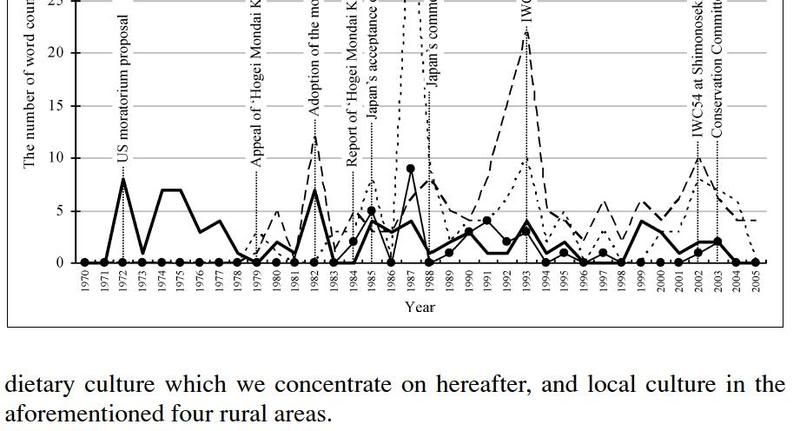
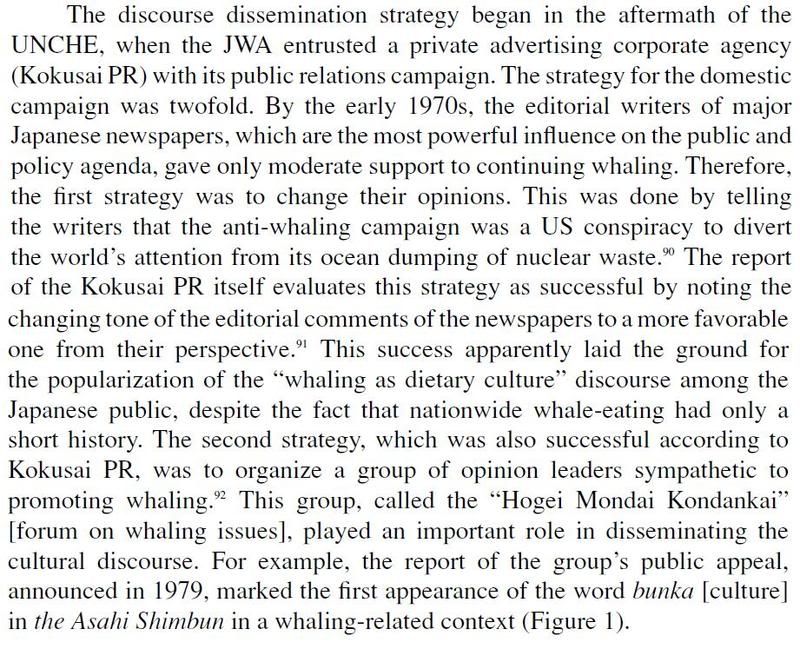
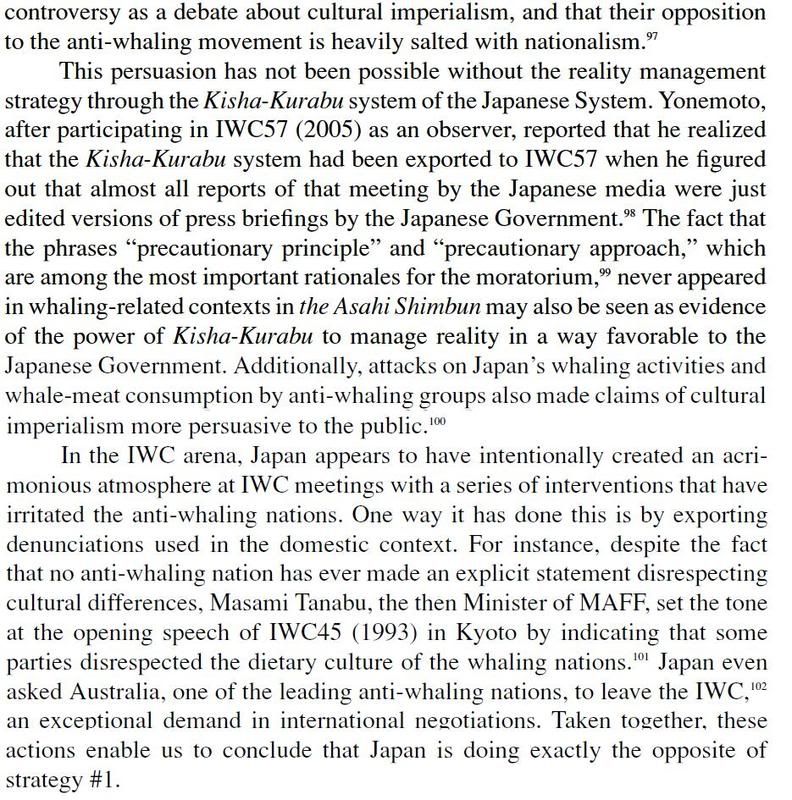
Saturday, August 2, 2008

How smart are dolphins and whales?

OK :)

Whale intelligence is one of those tricky subjects. I can point you too data but you must make up your own mind.

Dolphins save people from sharks, killer whales are smart enough to know that if they attack humans -> humans will wipe them out. Blue whales can communicate from the south to north poles.... well used to be able to, now theres too much interferance! Humpback whales have their own evolving music industry. A whale song can send several gig worth of data in a few seconds. Humans have 3 parts to their brain and whales have 4. Whales can see inside other whales. Whales share the evolved brain cells that humans have... only they evolved seperately. Dolphins can recognise themselves in a mirror, surf, play, blow bubble rings, call each other by name and have sex for fun. lol what more evidence do you need really?

lol

Anyway lets get some links in here for you to chase up!


Yea OK so its just a google search on spindle cells. But the fact that whales have them makes them VERY special, because so do HUMANS!!

link1
link2
link3
link4
link5
link6
link7
link8
link9


"Good point, Shalom Freedman, and I am delighted you found the article entertaining and informative. Still, you haven't said why whales developed such large brains; why their cerebral cortex is so highly convoluted, and why they have roughly 7 times as many glia as the human neocortex. There are no lose ends in Gina Girl's conclusions, but your conclusion, right or wrong, has its ragged edges. Another reader expressed his opinion on this in a private email to me:"

With reference to your article on cetacean minds at: (very nicely done, by the way), you ask:

"We're now wondering, essentially, what goes on in a whale's head -- and why, if it's supposedly so smart, it doesn't have great works to show for it."

Well, yes, we wonder this all the time-- but I may posit that one answer is in the question. Einstein didn't build any bridges, so what does he have to show for /his/ life? Our hands are beautiful, and useful, but they are not the only way to build things...

Elsewhere you hint at what is more likely, I think: "...they think not more weakly but just much differently?".


I think at least part of the answer may lie in signal processing. For example, there is a very curious sound made by the Minke (known rather colorfully in the literature as a 'boing', see Rankin, Barlow et alia), that, when looked at in wavelet space, is very intriguing.
There is an MP4 version up here.


What is seen in this animation is a continuous wavelet transform of this sound in polar coordinates. Slowed down about 10 times, if I recall, otherwise it would be just a blur. Background information is here.


Another example, from a whale not commonly thought of as all that intelligent (the Blue whale, (Balaenoptera musculus/ ), can be seen here.

That image took 240 gigabytes and 21 hours of processing time to reveal...

Anyway, my point is simply that, of course, they don't have hands, and so can not build things. But they can make sounds, and with sound as important as it is in there lives, it may be that they focused on what could be done with the resources they had at their disposal.
by
R. Douglas Fields
Jan 16, 2008 9:37 PM"

link1
link2
link3

whale speak in picture form


link


"The brain of a sperm whale is about 60% larger in absolute mass than that of an elephant. Furthermore, the brains of toothed whales and dolphins are significantly larger than those of any nonhuman primates and are second only to human brains when measured with respect to body size [1]. How and why did such large brains evolve in these modern cetaceans? One current view of the evolution of dolphin brains is that their large size was primarily a response to social forces—the requirements for effective functioning within a complex society characterized by communication and collaboration as well as competition among group members [2–4]. In such a society, individuals can benefit from the recognition of others and knowledge of their relationships and from flexibility in adapting to or implementing new behaviors as social or ecological context shifts. Other views focus on the cognitive demands associated with the use of echolocation [5–7]"


Some more on the Humpback live music industry

Without a doubt, the most interesting aspect of the Humpback whale is it's song. Only males sing! So it is assumed they use their songs to attract females and discourage other males. These songs last upwards of 30 minutes and are composed of 2 to 10 main components - always repeated in the same order. The song changes slowly over many months but the songs remain recognizable to the one sung last year. Over a period of five years, or so, the songs are completely different.

In any given breeding ground, there's an almost infinite variety of timbre, volume and frequencies to be heard. All of the males in the area sing the same song. Small variations sometimes occur which are picked up by the other males allowing the songs to evolve over many years into new tunes.

If you watch a male singer, you'll see him surface for air, then dive under the surface to a depth of 15 metres or so. There with head pointed slightly downwards he begins his song.

Why do they sing? No one has yet deciphered the exact message, but it seems likely that songs attract mates. In the breeding grounds one often sees a female, a calf and an 'escort'. Many scientists believe that the 'escort' is the male singer who accompanies the female waiting for her to come into heat after the recent birth of the calf. If one theory is correct, the etherial songs are mostly designed to sooth and woo the female and only secondarily to warn off other males. Other observations seem to suggest that the songs are a method of establishing a "dominance hierarchy in the breeding grounds."

SOUND IS EVERYTHING:

All of this is hidden from your eyes. To understand the whale and all other sea creatures you must listen to their sounds. In the sea, you might say that senses are reversed. On land, sight is the most important. You can see much further than you can hear. In the sea the opposite is true - you can hear much further than you can see. So whales, dolphins, fish and other creatures that inhabit the depths have developed very sophisticated sound transmission and receiving organs. That's why marine biologists make use of hydrophones to study and record underwater sounds.

It has been said, but is still unproven, that humpback whales can communicate from 'equator to pole'. Not their songs necessarily, but other sounds - grunts, bellows, moans - some sounds that we can hear and some that are below the range of human hearing but which carry great distances - thousands of miles - in deep underwater sound channels. If they do, who are they communicating with? Can a whale in a northern hemisphere breeding ground signal its distant cousin in Antarctica? These are questions that are still to be answered.

One thing that is more likely, is that humpback whales are probably the source of the many legends and myths about sea monsters. Early sailors would have encountered the the eerie songs of the Humpback whale and heard them through the hulls of their ships. The Humpback whale's voice is very strong - much greater than that of the Gray whale. If you happened to be swimming near a singing whale your whole body would vibrate - an encounter that would be guaranteed to feed a myth for centuries!

Saving the Japanese from another major mercury poisoning disaster!

Learn about the health risks of eating whale and dolphin.
Then join us in fighting for Japanese consumers rights to know the extra 'ingredients' and risks eating whale and dolphin poses.
When scientists record mercury levels over a THOUSAND times the maximum level set for sea food you know there is a serious problem.
Even if this most contaminated meat is being sold to the petfood industry its not something I would feed even a dog.

Japan continues with the dolphin hunts and at this very second is engaged in killing whales in the Northern Pacific. All meat from these hunts is to contaminated to be considered food.


Scientists earn their right to point out life threatening practises. Their words should not be ignored!!

You can do your part by learning about how serious the contamination is and advising those Japanese you meet and like in Japan not to eat it. You may not be able to save them all, but you may be able to save some of the people close to you.

This is life and death here, we are talking about people!!


*
Professor Haraguchi of Daiichi College gave a research paper at a Nagoya toxicology symposium in which he and his colleagues urged:

"We respectfully urge the Japanese Government to issue appropriate warnings to the Japanese public about the risks associated with consumption of ceatacean (whale and dolphin) products, and act accordingly to end the unacceptable exposure to such products.
An important first step would be to immediately ban the sale of contaminated products. Our results further suggest a critical need for the government to initiate a comprehensive legal investigation of the relevant food industry, including processing, distribution, labeling and marketing of foodstuffs containing cetacean products."


link1
link2
link3

Dr. Koichi Haraguchi of Daiichi College of Pharmaceutical Science said that whale meat sold in Japan "exceeded the acceptable levels of contamination" for chemical pollutants such as PCBs, mercury and DDT and that, "more than half of the samples contained toxic substances above the national and international safety standards and were not suitable for human consumption."


link

"subsistence Arctic whale hunters on Baffin Island have discovered that mothers can no longer nurse their infants because their milk is contaminated with heavy metals and PCBs. According to another International Whaling Commission meeting, reports on contaminant levels in whale meat in Japan "detected mercury some 1,600 times above the government permitted level, as well as large amounts of organic mercury and cadmium in whale meat that is widely available."

link

Dr. Tetsuya Endo, of the Hokkaido Health Science University, the Dai Ichi Health Science University and New Zealand Health Science University conducted a three-year joint study on mercury levels of dolphin meat from dolphins caught off the coast of Japan -- including Taiji. They found very high levels of mercury in every sample of dolphin meat that they tested. Their conclusion: nobody should consume dolphin meat. Dr. Endo is a highly respected Japanese scientist. His report on mercury tainted dolphin meat was published in 2005.

The fact that the Japanese Minister of Health and Welfare has known about the danger yet chose not to warn the public about it defies all logic.


link

We know that eating whale meat is a REALLY BAD IDEA and that there is no proven way of decontaminating it.
What follows is a sample of some of the sites that fill the internet.
Mercury poisoning is real and not something to be fooled around with.
Exposing people to it by not informing them of the test results or even a correct species ID (dolphin sold as whale) is just a really low act by the Japanese government.
The meat is bad.... it may not be the reason to not whale... but it is certainly a good reason to not feed whales to children.
It would also be a good idea to educate the consumer so they can make a better call on if they wish to take the risk.

link1
link2
link3
link4
link5
link6
Mercury and children


link 1
link 2
Mercury in food


How mercury gives you brain damage


link1
link2
link3
link4
link5
link6
link7
link8
link9
User guides to eating Japanese whale


Dolphin drives


Mercury in dolphins


link 1
link 2
link 3
link 4
link 5
link 6
link 7
User guides to eating dolphin


Must never happen again.
Those that would still doubt the horror of Minamata
Try this link for some pictures.
Beware it is very sad, one of those lest we forget moments really.


Whales are increasingly being found with health problems.
Some of these, such as brucellosis effect the ability to breed in whales.
While this infection is also a health risk to human, it is another factor we have to take into consideration as far as its effect on long term breeding by whales.


A link on its ability to infect humans.
Not the sort of meat I would eat RAW!


And now some quotes on it being found in Minke.


Otsuchi Marine Research Center,
Ocean Research Institute,
The University of Tokyo,
2-106-1, Akahama,
Iwate 028-1102, Japan.

Abnormal testes and uterus were observed in 13 males (33%) and one female (3%) out of 40 common minke whales (Balaenoptera acutorostrata) in the western North Pacific.
Similar lesions were found in testis and ovary, respectively, in one male (2%) and female (2%) out of 43 Bryde's whales (Balaenoptera edeni) in the western North Pacific.
Grossly, granular lesions with caseation and calcification were main pathological signs, and they were restricted to reproductive organs of mature whales.
Chronic purulent or granulomatous orchitis was observed by microscopic analysis.
Antibodies to Brucella species were detected in the serum samples of 15/40 (38%) of common minke whales and 4/43 (9%) of Bryde's whales.
Neither pathological nor serological change was found in the examined sperm whales (Physeter macrocephalus) in the western North Pacific and Antarctic minke whales (Balaenoptera bonaerensis).
These results strongly suggest that Brucella infection was involved in two species of baleen whales (Mysticeti) in the North Pacific.


link

If a disease that rots your balls or ovary is not scary enough.... consider just how wormy whale meat is.


Crassicaudosis: a parasitic disease threatening the health and population recovery of large baleen whales.
Lambertsen RH.

Ecosystems Technology Transfer, University Science Center, Philadelphia, PA 19104-6068.

This communication briefly reviews knowledge of the systemic disease caused by Crassicauda boopis in blue whales (Balaenoptera musculus), fin whales (B. physalus) and humpback whales (Megaptera novaeangliae). Infections with this giant nematode characteristically incite a chronic inflammatory reaction of the blood vessels which drain the kidneys. In this critical location, the parasite-induced lesion can cause complete vascular occlusion and kidney failure. Whale calves and juveniles typically suffer the heaviest parasite burdens following transplacental infection of the developing whale foetus. There is also probable whale-to-whale transmission post-partum, involving urinary contamination of the environment with C. boopis eggs and larvae. The frequency of the infection can exceed 95%. Haematological findings suggest that systemic pathological effects are typical at the population level. Gradual development of occlusive lesions in the renal veins appears to correlate with a major peak in natural mortality at about one year of age. To date, all findings support the conclusion that premature death caused by C. boopis infection is potentially a major impediment to population recovery of affected whale species. This suggests the interesting possibility of actively encouraging the population recovery of three species of large baleen whales. Such a restoration effort would entail remotely-deployed anthelminthic therapy administered, at sea, to infected whale cows and calves.

PMID: 1305859 [PubMed - indexed for MEDLINE]


And to cap it all off, a study on the health of people from the faroe's. They are after all big whale eaters.


The Faroe Islands are an autonomous province of Denmark. They have become more and more autonomous since after "World War II" in 1948, and are now dedicated to the premise of independence. Be that at it may, the Faroese people are unfortunately slaughtering whales. Perversely, it it now shown that the eating of the slaughtered whales—which are laden in mercury—is causing the people to literally become mentally retarded, and to be exterminating the Faroese people.

And now it is learned that the whale meat these residents are eating has been poisoning them with Mercury for generations. This is the sort of poisoning that leads to mental retardation in forming human fetus. They are actually taking their ownselves out of the game—by the process of devolution! In fact, two studies, this 20-year (1984-2004) Harvard study of 1,022 Faroe Islands mothers and children from 2004—including this letter from the the chief physician for The Faroese Hospital System stating the mercury found is "not from fish but specifically pilot whale", and this study released last year [PDF] at the International Conference on Foetal Programming and Developmental Toxicity (PPTOX), shows this to actually be the case! In fact, PBS aired this video report on the subject last year. By consuming Pilot Whales, residents of the Faroe Islands are systematically and routinely institutionalizing physical disability and mental retardation!


PETITION TO WARN THE JAPANESE PEOPLE OF MERCURY DANGER

To:

Policy Planning and Communication Division
The Department of Food Safety Bureau
The Ministry of Health, Labor and Welfare
Tokyo, Japan

CORRECTED E-Mail: [email]syokucommunication@mhlw.go.jp[/email]
Fax: +81-3-3503-7965

Dear Minister of Health:

There is worldwide concern that mercury accumulated in the human body may pose a serious health risk, especially to pregnant women and children.

As you know, dolphin meat from drive hunts in Taiji, Wakayama prefecture, proved to be highly contaminated with toxic chemicals such as mercury, methyl mercury and PCBs. Repeated chemical analyses have shown that the level of mercury in dolphin meat is much higher than the maximum allowable level set by the Ministry of Health, Labor and Welfare of Japan.

We understand that the role of the Department of Food Safety Bureau is to promote food safety, thereby ensuring the health of the Japanese people. We urgently request the following:

1. Prohibit the sale of dolphin meat that contains mercury exceeding the maximum allowable level set by the Ministry of Health, Labor and Welfare (MHLW). The sale of food items with toxic agricultural chemicals exceeding the maximum allowable level set by MHLW is already prohibited as a result of the “Positive-list System,” which was adopted in 2006. Since mercury is as harmful to the human body as toxic agricultural chemicals, the “Positive-list System” should also apply to mercury.

2. Until the above request is put into effect, consumers must be warned of the dangers associated with consuming mercury contaminated dolphin meat, in much the same way they are being warned of the health risks associated with smoking cigarettes: Every store that sells dolphin meat must be obligated to post a prominent warning label on each meat package, stating as follows: "This food item possibly contains mercury exceeding the maximum allowable level set by the Ministry of Health, Labor and Welfare. Mercury accumulated in the human body may harm your health.”

Sincerely,

Name & address: ____________________


Is Eating Whale Meat Linked To Parkinson's Disease?

On the 5 August 2008 KNR news reported that 'Pilot whale meat inceases risk of Parkinson’s disease'

The report went on to say that 'Pilot whale [meat] is suspected as a reason why Faroese have twice as much risk of getting Parkinson’s than Danes

Until now researchers have been unable to explain the higher occurrence of this serious disease in the Faroese.

“ But results indicate that diet could play a role in the higher occurrence of Parkinson’s syndrom” explains Pal Weihe who is head of Arbejdsmedicin and Folkesunhedmedicin section in the Faroese hospital. In addition he further explained that an increased intake of whale meat and blubber in adults is clearly linked with an increased occurrence of Parkinson’s disease.

The new research which was undertaken by the Environmental Medicine section of Syddansk University shows that environmental toxins such as methyl mercury and PCB make eating pilot whale meat risky.'


Westerners killed off all the whales

OK how many times have we heard the "It was Westerners who killed all the whales off" bullshit?
Personally I have read it hundreds of times.
It is one of Japans favourite facts to use during ATTACKS upon anti-whalers
The serious suggestion that Japanese whaling played no contribution in the near-extinction of whale populations is a bit of rewritten history that I find VERY offensive.
Well lets have a look at it then shall we?
As a first source I would like to call to the stand....
Toennessen and Johnsen's
"The History of Modern Whaling"
Yep thats a link to the dam book.
Its a respected source, and a good book. Buy it!
If you feel the need to argue the great whales should die you should at least look at the mistakes of the past to ensure you are not encouraging a repeat of them!!


'None of the other whaling nations was in any doubt that the real reason for declining stocks was the ruthless catching undertaken by the Japanese, starting as they did four to five weeks before the others, ignoring the ban on the catching of humpbacks or minimum size limits. Germany, Britain and Norway despatched notes to this on Japan at the same time' (p 469).


Now key points of interest

1) Japanese whaling expeditions were working in the Antarctic prior to the outbreak of World War II.

2) Whaling nations were making efforts to instigate international controls on whaling prior to the IWC coming into being post-WWII. These efforts were frustrated in several ways, one being Japanese intransigence.

3) There was a perception amongst whaling nations in the latter part of the 1930s that ongoing declines of Antarctic populations were being driven by the approach that the Japanese were taking to whaling - killing species that other nations had agreed shouldn't be being hunted, killing lactating blue whales, starting their season earlier that what others had agreed to, things like that. Given what we now know of the population biology of baleen whales, the perception that the Japanese were solely responsible for ongoing declines was probably wrong. That they were primarily responsible for the ongoing declines in the latter 1930s may well be right.

4) The actions of Japanese Antarctic expeditions was considered so bad that three whaling nations (the UK, Norway and Germany) worked together, using diplomatic channels, to object to the Japanese actions. This is despite the diplomatic tensions existing between the UK and Germany - World War II broke out a couple of months later. Clearly folks engaged in international negotiations on whaling management back them thought something was going wrong.

*********************
Yes many other nations whaled.
Heck heres a website on the dam yanks
But at least they are honest about their history.
**********************

Major whaling nations

Germany quits whaling in 1939
U.S. quits whaling in 1940
Argentin quits whaling in 1960
U.K. quits whaling in 1963
Holland quits whaling in 1964
New Zealandquits whaling in 1964
Norway withdraws from the Antarctic Ocean in 1972
Canada quits whaling in 1973
South Africa quits whaling in 1975
Australia quits whaling in 1978
Brazil quits whaling in 1980
Chile quits whaling in 1983
Peru quits whaling in 1984
Spain quits whaling in 1985
U.S.S.R quits whaling in 1987
Norway reopens whaling in its surrounding ocean area in 1993
Japan tests whaling operation in the Antarctic Ocean in 1934
Demmark/Panama/Republic of Korea/Portugal/Iceland/
France/Mexico/Somail/Philippines/Bahamas/
Tonga/St.Vinsent
**********************

The Japan Whaling Assoc offers this time line

9th Century Whaling starts in Norway, France, and Spain
12th Century Hand-harpoon whaling starts in Japan
1606 Hand-harpooning whaling by organized groups starts in Taiji, Japan
1612 Hand-harpooning of Baird's beaked whales starts in Chiba Prefecture, Japan (near Wadaura)
1675 Whaling using nets begins in Taiji, and spreads to Shikoku and Kyushu, contributing to rapid expansion of whaling
1712 Sperm whaling starts in the U.S. (US-style whaling)
1838 Organized whaling using nets starts in Ayukawa, Japan
1864 Modern whaling is developed in Norway
1868 With harpoon guns completed in Norway, Norwegian-style whaling starts
1879 A storm claims the lives of 111 whalers from Taiji. This incident prompts transition from net whaling to modern whaling
1899 Japan starts Norwegian-style whaling
1903 The world's first whaling factory ship (Netherlands) sails out to Spitsbergen sea
1904 Norway sets up a whaling station in South Georgia Island; Whaling begins in Antarctic Ocean
1905 First whaling factory ship sails to Antarctic Ocean
1906 Full-scale modern whaling starts in Japan with construction of modern whaling station in Ayukawa
1925 A mother ship equipped with a slipway goes on whaling for the first time
1931 First International Whaling Convention is signed
1932 Claws (tail fin pinchers) appears
1934 Japan enters mother ship-type whaling in Antarctic Ocean
1940 U.S. quits whaling
1941 Japan suspends mother ship-type whaling upon the outbreak of World War II
1946 International Convention for the Regulation of Whaling is signedJapan resumes whaling in Antarctic Ocean
1948 International Whaling Commission (IWC) is established
1949 1st IWC meetings are held
1951 Japan joins IWC
1959 Olympic system is abolished; Self-declared whaling starts
1962 Country quota system starts
1963 Hunting of humpback whales in Antarctic Ocean is bannedUK quits whaling
1964 Hunting of blue whales in Antarctic Ocean is banned
1972 Resolution calling for 10-year moratorium on commercial whaling is adopted at United Nations Conference on Human Environment Blue Whale Unit system is abolished; Catch quota by whale type system startsNorway withdraws from whaling in the Antarctic OceanJapan starts minke whaling
1975 New Management Procedure (NMP) is adopted
1976 Hunting of fin whales in Antarctic Ocean is banned
1978 Hunting of sei whales in Antarctic Ocean is banned
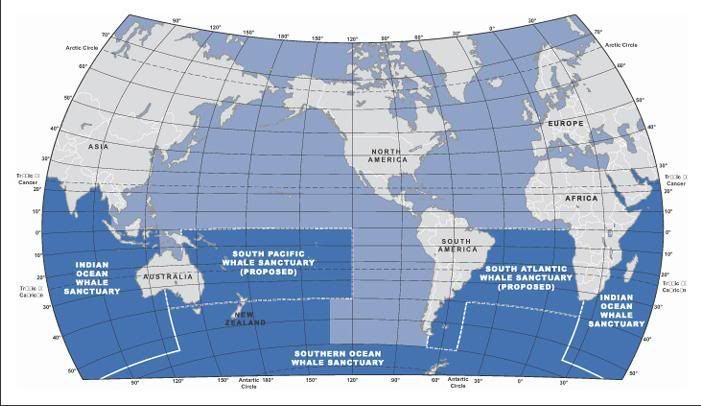
1979 IWC adopts an Indian Ocean whale sanctuary
1982 IWC adopts a commercial whaling moratorium
1985 Japan withdraws objection to IWC moratorium
1987 Japan withdraws from Antarctic whaling and starts research whaling (JARPA)
1988 Japan suspends coastal catching of minke and sperm whales
1990 IWC estimates population of minke whales in Antarctic Ocean as 760,000
1992 Iceland withdraws IWC; North Atlantic Marine Mammal Commission (NAMMCO) is established IWC completes development of Revised Management Procedure (RMP)
1993 Norway resumes commercial whaling
1994 IWC adopts southern ocean whale sanctuary
1994 Japan starts research whaling in northwest Pacific (JARPN)
2000 Japan starts research whaling (JARPNII) for feeding study
2002 54th IWC meeting is held in Shimonoseki
2003 IWC adopts Berlin initiative
2005 Japan starts research whaling (JARPAII)
2006 IWC adopts St. Kitts and Nevis Declaration
2007 Confrence for the Normalization of the IWC in Tokyo

Another whaling organisation luna offers these body counts for species of interest to whalers today taken in ANTARCTICA.

Minke, Humpback, Finwhale
And to a lesser extent Spermwhales, Sei, and Blue whales.

I dare anyone to do the maths on those species and then claim the Japanese whaling played no part in the near extinction of the species involved! Of course there is also much secret whaling and almost all nations have helped out.

**********************

Whaling is cruel and obselete it must be ended.
Whaling destroys social and family bonds within a whale pod. Whale products are superfluous or can be replaced by substitutes

Crimes and Punishment

From the original IWC documents -


It recognizes that even under the most favorable management and with the most conscientious and experienced gunners and crews, it is inevitable that some whales will be taken illegally and that a certain latitude should be allowed in assessing penalties for such unavoidable taking. It may be that legal and administrative differences among the Contracting Governments will prevent the adoption of a uniform system of penalties, but it is the view of the Conference that it is desirable that the Governments should provide for the imposition of penalties sufficiently severe to discourage the illegal killing or taking of whales.


So.... where are these dam penalties?
Why did the IWC turn into a toothless crippled old dog that everyone gets to kick?

What Are Your Crimes Japan?

The Japanese are whaling in violation of the International Whaling Commission’s global moratorium on commercial whaling.

1. The Japanese are illegally killing whales from the Southern Ocean whale sanctuary.

2. The Japanese are illegally killing whales from the Australian Antarctic Territory.

3. The Japanese are illegally targeting fin whales this year and humpback whales next year. These are endangered species, and thus, this is a violation of CITES, the Convention on the International Trade in Endangered Species of Wild Flora and Fauna.

4. The Japanese are in violation of IWC regulation 19(a). The IWC regulations in the Schedule to the convention forbid the use of factory ships to process any protected stock: “19. (a) It is forbidden to use a factory ship or a land station for the purpose of treating any whales which are classified as Protection Stocks in paragraph 10. Paragraph 10(c) provides a definition of Protection Stocks and states that Protection Stocks are listed in the Tables of the Schedule. Table 1 lists all the baleen whales, including minke, fin, and humpback whales and states that all of them are Protection Stocks.

5. In addition, the IWC regulations specifically ban the use of factory ships to process any whales except minke whales: Paragraph 10(d) provides: “(d) Notwithstanding the other provisions of paragraph 10 there shall be a moratorium on the taking, killing or treating of whales, except minke whales, by factory ships or whale catchers attached to factory ships. This moratorium applies to sperm whales, killer whales and baleen whales, except minke whales.” Fin and humpback whales are both baleen whales and are subject to this moratorium.

And thats just a start. Japans whaling is no different from poaching elephants or running drugs. The fact it is supported by Japan openly is a blemish upon the entire nation.
As it stands, Japan is a rogue state in violation of global treaties. That others stand by and allow this to happen is a show of great weakness.

Japan, Norway & Iceland - CITES BROKEN - TRADE IN FINWHALE RESTARTED.
"Take sides. Neutrality helps the oppressor, never the victim. Silence encourages the tormentor, never the tormented.""
-Elie Wiesel-


Racist Cultural Imperialists

Do Australians hate Japanese?
NO!!!

But some Japanese people seem to think they do. I don't hate Japanese and I don't know anyone who does and I live in Australia. I don't like whaling. I find it offensive and the closer it happens to me the stronger the urge to try to stop it becomes.
I don't like whaling because I don't like seeing the demise of the whales. Just when it seemed the populations were going to recover people are killing them again? Have they learnt NOTHING???
Whales are being shot with canons, and dolphins hacked up with machette. Their bodies are sliced up into little bits and packed in thousands of boxes.
Theres no culture there, its just mechanised slaughter at a point in humanitys global culture where it is unnecessary.

But anyway lets let other people take over.


This link takes you to the Japan Reference forums with


Welcome to the Japan Forum, a friendly online community dedicated to all Things Japanese where more than 30.000 people sharing a deep interest in Japan come to discuss in over 31.000 threads with more than half a million posts!


Anyway I thought this quote really stood out in a thread well secured with UT's.

Originally Posted by MadamePapillon View Post

The fact that the whaling debate now is now riddled with politics and racist accusations just shows that this whole issue has been blown waaaay out of proportion.
The original reason for all this was that Japan was hunting whales while other countries (more specifically, the environmentalists) thought that whales should be protected because of ethical/ environmental issues. The intent wasn't racist, after all, these people go after the kangaroo killings of Australia, the seal killings of Canada ect, any place they see what could be considered the unethical killings or treatment of animals...Japan was just one of a long list off offenders. For some reason or another Japan took this as a personal attack and a matter of national pride. I can only assume it's because they haven't seen those Greenpeace types in action and so though the anti-whaling protests were a racist attack on the grounds of 'western ideals'.
The fact that Japan is a non-western country seemed to inflame a lot of people when it shouldn't have and turned this into a cultural debate and an international issue. I personally don't think it should have gone that far but both sides keep stepping up the attacks and turning a simple animal protection issue into a three ring circus.


Video 1
Video 2


"Whaling is a national symbol against the cultural imperialism of western nations," said Shigeko Misaki. "If we succumb to the moral standards of the western world, we would lose control of our people internally." Despite government-endorsed ultranationalist propaganda promulgated by Misaki and neo-con cronies asserting that slaughtering marine mammals is a patriotic duty, whaling has only a tiny constituency in Japan.


If your in the mood for a bit of satire on the whole situation try this thread but beware... if your not in the mood for lols it may be best to not!

So.... why do the Japanese think people are attacking them by wanting to protect whales?
Its a big question and really these links explain it far better than I can.
1, 2, 3, 4, 5, 6, 7, 8,
Source document.

Krill!

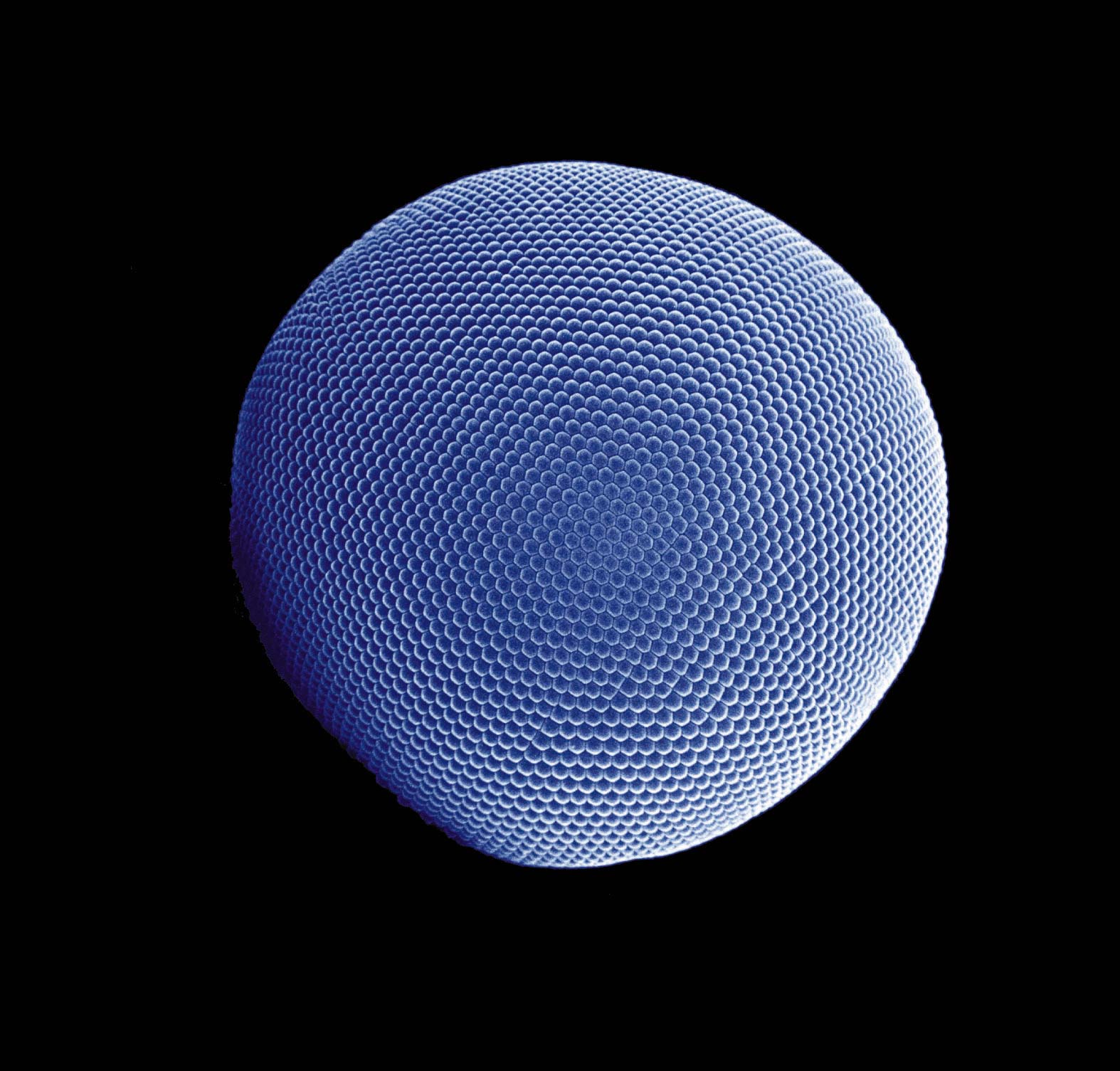
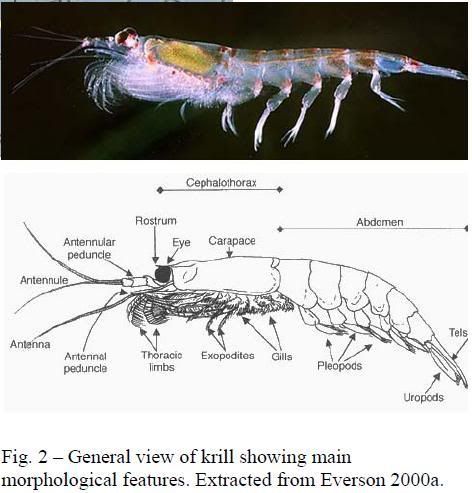
Here is a krill eye!
Krill really are amazing creatures!
Krill picture

Here is a recent story that points out just how little even in 2008 we know about an organism that makes up the largest biomass of any species.
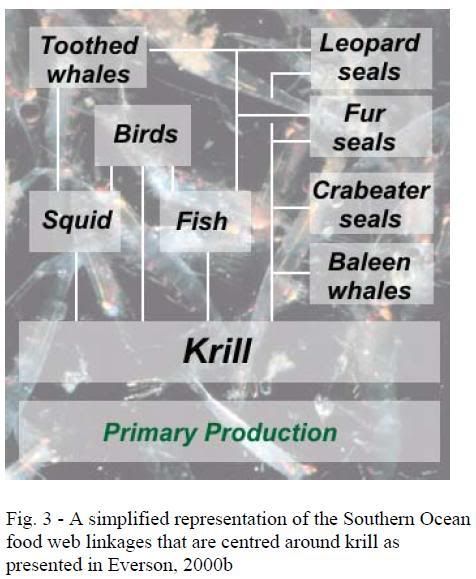
Krill feed on algae that grows on sea ice! This means they are VERY vunerable to climate change. Remember this krill, that needs this ice for its food, IS THE ORGANISM THAT HOLDS THE ANTARCTIC ECOSYSTEM TOGETHER!!!


The word “krill” comes from the Norwegian language and means “whale food”. ( Krill eaters )
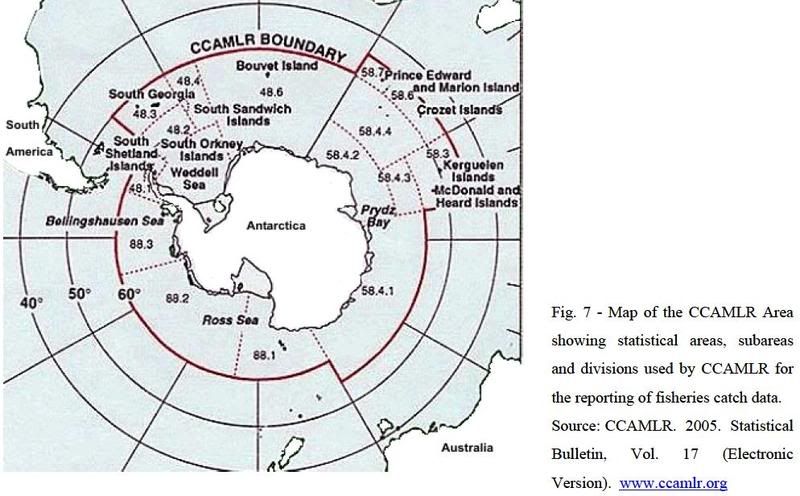
CCAMLR is the group setup to oversee the krill fisheries and prevent them from impacting on the animals dependant upon them. CCAMLR is a Hobart (Australia) based treaty organization.


"Krill in the Southern Ocean are managed by the Convention on the Conservation of Antarctic Marine Living Resources (CCAMLR), which came into force in 1982 as part of the Antarctic Treaty System. The 24 member states include Australia, New Zealand, Chile, Argentina, South Africa, Norway, Japan, South Korea, the United States and the European Union."
ccamlr area
Krill fishing grounds
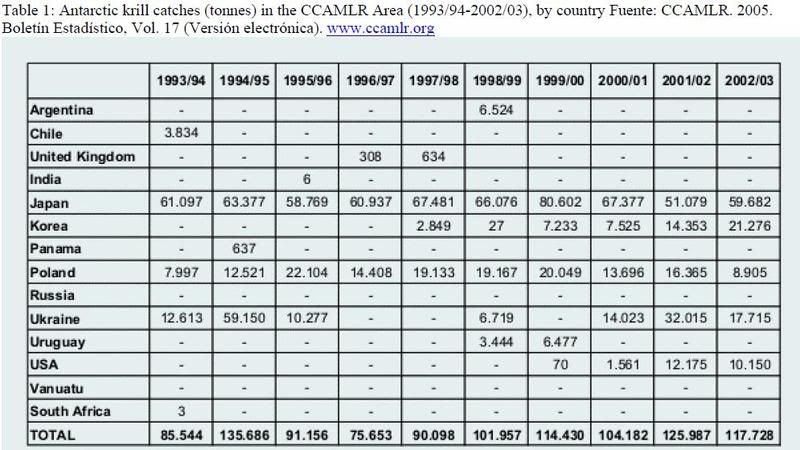
ccamlr quota
Krill catches


It is frequently abused, notably by such super vessels as the "Antarctic Navigator" (Norwegian), and new entrants to the fishery such as Vanuatu.


Estimates in the 1960's of krill "freed up" by the removal of the Baleen whales suggested that a fishery of 150 million tonnes may now be possible, because of the so called "krill surplus" (Ichii)

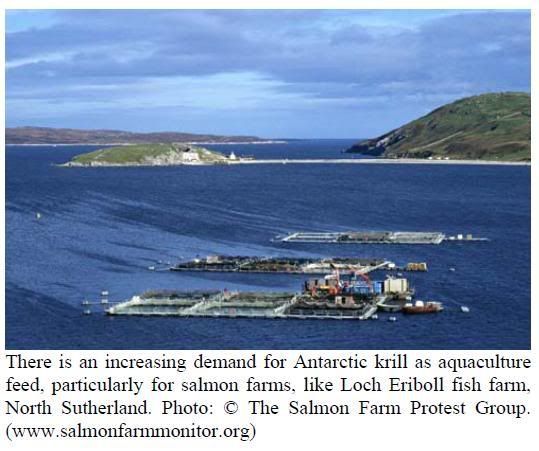
Krill aquaculture food

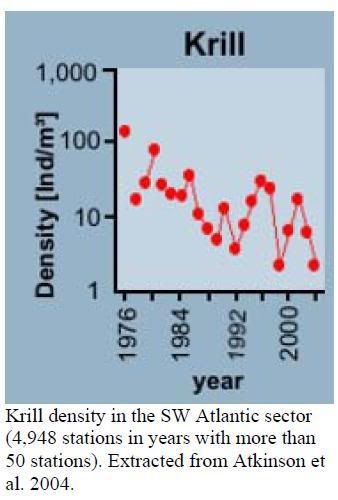
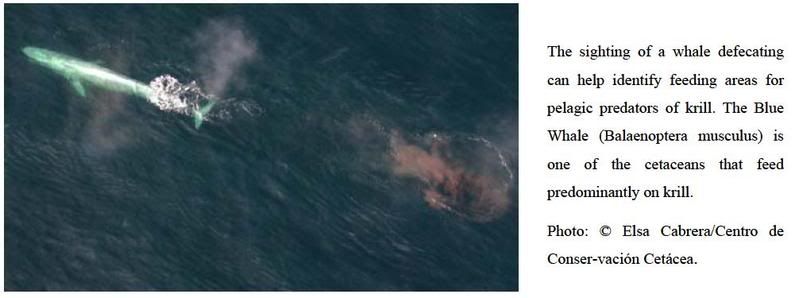
This however did not happen ( Krill crash ) and many now believe that whales maintained high krill levels. Whether this was because they influenced krill behaviour in a positive way or whether whale shit caused algae blooms to feed krill (whales = the oceans gardeners theory) or another cause is hotly debated. Whale poo, top water fertilisation

link


Aside from the protected Blue whales, the whales that target krill are the ones also targetted by the Japanese kill fleets. Minke, Sei, humpback and fins. Starting to see the conspiracy? Minke are estimated to consume 95% of the total krill consumed by whales in the Southern Ocean. Krill is overwhelmingly the main diet of minke.
link
The source above does use population data now proven to be obselete (at least double actual) but the conclusions on krill hold true.


"research has found that these amazing little critters are also allies in combating global warming. In daylight, they feed on phytoplankton near the ocean surface.

When darkness falls they sink down, sending waste - which includes large amounts of carbon dioxide from the Earth's atmosphere - toward the sea floor and thereby removing the equivalent annual carbon dioxide emissions of 35 million cars."
link


Sources
excellent document on the entire krill story even if its too much to read, skip to the end so you understand the risk krill is in from greedy exploitation.

Japanese soldiers attempt to assasinate Sea Shepherd leader?

Japan has shown she means to deploy trigger happy soldiers more frequently in the future. The use of counter-terrorist assault troops raises a few questions but the main one, is what is a terrorist?

Well there are 2 main terrorists really, if Japanese media is to be believed

1) greenpeace = anti-whaling = anti-japanese = terrorist.

2) SeaShepherd = throw stink bombs = chemicals = sarin gas subway attacks = terrorist.


If you belong to one of those 3..... Learn from Paul,
terrorists get shot! Never forget your vest!!

link

Foreign Affairs Minister Stephen Smith says Japanese officials have told the Australian embassy in Tokyo that warning balls or flashbangs were fired at the ship.

The devices are designed to make a loud noise but not to injure

Japan has also advised the Australian Embassy that a crew member on board the Japanese whaling boat fired a warning shot in the air.


link

"Paul,

"I feel it important to point out a few things that I see in your shooting. As you know, this is a subject I know a lot about.

"You were shot by a sniper with a rifle and with a special bullet. The vest that protected you is meant for pistol rounds, not high velocity military bullets. Had you been shot with a military rifle cartage, you could be dead. Had you not been waring the vest, you most certainly been dead by a massive untreatable wound, which is what they intended.

"By what I see in the pictures, the compression of the bullet means it was a soft lead 'Dumb-Dumb' round. Because of the tissue destruction these bullets cause, they were banned for military use by the Hague Convention of 1899 although most people now call it the Geneva Convention. All militaries conform to the convention because no one wants to go there due to the unspeakable carnage they would cause. Even the Nazi SS didn't use Dumb-Dumbs.

"The Japanese Coast Guard (or a special agent - AM) shot you with a Dumb-Dumb bullet which is in violation of the Geneva (Hague) Convention because the JCG is part of the military. This is significant because the world's military will pay attention that the Japanese military used Dumb-Dumbs. It may be one shot, but it is significant and governments will pay attention.

"Next, I want to point out that this was not a a knee-jerk reaction to shoot you. I was the best shot in HQ Company at Camp Pendleton for two years (1966-67), and couldn't have done this in my prime. Apparently, you were shot from high to low involving two moving ships on the high seas. Also, you were probably moving at random, and the shot was within three inches of your heart. This sniper practiced this shot for months back in Japan , and no doubt, they used a moving target ship that was lower than the moving shooting platform, and they practiced in varying wind, distance, and seas to perfect every situation. I'm guessing they brought in a Japanese Marine sniper because Coast Guards don't have this kind of talent. The flash-bang grenades were used to cover the rifle shot but should be audible on tape. Like earthquakes, gunshots will show up electronically from all the other noise. There might be other shots, but I don't think so, it was just one shot, I think.

"The Dumb-Dumb bullet is a give-away because it was chosen specially to kill. No pistol shooter in the world could have made this shot, it had to have come from a rifle and a sniper rifle for sure. The Dumb-Dumb was caught by your vest so it was low velocity such as fired by most pistols. Why would the JCG fire a low velocity Dumb-Dumb at your heart? Well, they didn't know you had the "Second Chance" vest on under your Mustang suit. The low velocity Dumb-Dumb should have blown a 5" hole in your chest and you should have died quickly from massive blood loss. Every black powder (low velocity soft lead bullet) hunter knows the low velocity allows the bullet to expand within the animal causing extreme damage. High velocity bullets go through too fast for maximum destruction.

"So this was a special bullet, probably hand loaded, for you. Low velocity, soft lead for a modern military rifle. I don't believe I have ever seen such ammunition for sale in my life.

"Ok, the Whale Gods were with you. Everyone now knows you have a cop vest under your suit, so you can expect to get shot next time with a high velocity full-metal-jacket round which will go through your vest. The only vest that can help you is the ceramic-plate armor. You might look into "Dragon Skin," which is what most our Iraqi troops want but can't get. When you are outside exposed in confrontation, keep moving, don't stop but for a few seconds and stay out-of-view as much as possible.

"Make no mistake, they intended to kill you.

"Return safe,

Marc"


picture
link
link

If Nakagawa Shoichi, leading conservative, has a virtue, it is his refreshing candor. Back when he was serving as head of the LDP's Policy Affairs Research Council under Mr. Abe, I suggested that Mr. Nakagawa was Mr. Abe's id, saying things that would be improper for the prime minister to say himself.

Appearing on Fuji Television's Hodo 2001 program on Sunday, Mr. Nakagawa said in reference to the hounding of Japanese whaling ships by a ship operated by the non-profit group Sea Shepherd in the Antarctic Ocean, "They have wounded Japanese. If the Coast Guard were to arrive, they should not just fire warning shots, they should 'use force.'" Asked whether he was suggesting that the Sea Shepherd should be sunk, he replied, "Of course."

I think this provides a glimpse into the mindset of the conservative ideologues. Mr. Nakagawa suggests that a violent response is merited because "Japanese were hurt." I wonder, however, if what was hurt was not Japanese citizens but Japanese pride. I get the sense that Mr. Nakagawa is brimming with anger that these foreign activists were able to get away with these actions, which have been condemned by the IWC. And so Japan needs a new defense posture and more assertive foreign policy: Japan must never allow itself to be powerless in the face of foreign aggression, whether in the form of North Korea's abductions of Japanese citizens or Sea Shepherd's harrying of Japanese whalers. The harm to Japanese citizens is, I think, secondary; what matters is the harm to Japan's pride. The result is a burning anger directed both at foreign transgressors and at the institutions and individuals within Japan responsible (MOFA, etc.) for failing to uphold the nation's pride.

As MTC noted recently, pride — hokori (誇り) — is a favorite word of the Japanese right. It is impossible to understand the foreign and defense policies advocated by the right without appreciating this concept. Beyond the superstructural justifications for a more assertive Japan (the arc of freedom and democracy, etc.), the conservatives are desperate to be proud again, to meet every perceived offense with resolution. Postwar Japan to them has been one abdication after the other, and hence the postwar "regime" must be left behind.

And hence the Coast Guard should open fire on anti-whaling activists.


link

Mr. Nakagawa seems to have lots of company here in our very own comments. Personally I find statements like the ones below kind of sickening, but at least we have the jocular anonymity and exaggerative nature of the internet to blame for these (I hope). Mr. Nakakawa doesn’t really have such an excuse.

“They are the scum of the earth and I would personally kill every single one of them with pleasure.”
Jockell

“I can only hope that when Paul Watson’s ship goes down, sharks will eat the survivors.”
MK

“It would please me to no end if the Sea Shepherd boat sinks and they actually have to get the whalers to rescue them.”
Aaron

“Pity they didn’t aim for that fat head of his [Paul Watson’s].”
madne0


***

“I felt an impact on my chest at one point,” he told the Australian Broadcasting Corp. “I didn’t think too much of it at the time. When I opened up my Mustang survival suit, and I have a Kevlar bulletproof vest, there was a bullet lodged in.”

He said the impact left a bruise.

“If I wasn’t wearing my vest, it would have been pretty serious,” he said.


The gunman on the grassy knoll?

Footage of grenades and round being discovered in Pauls vest

Buddhism VS Whales

This link is a really good read.

I reccomend it.

There are also whale cemeteries in Japan. I have read of a buddhist ceremony in Nagato
where thanks was given to whales that had been killed through whaling, as well as those foetuses that have been found in pregnant females.
The ceremony also included the naming of these foetuses in a book.

Kinda apt I suppose consider over half the whales killed are females and killing off the chicks doesn't usually do a species any favours in the long run!!
So respect their sacrifice so a few people can eat toxic sushi and give their dogs and cats a whale jerky treat!

Is there truth to the rumour that a nisshin maru crew member hung himself before going out to hunt more whales around Japan in May? Any idea if it was because of depression? Or was he shamed because the whalers had been caught out stealing whale meat? I know the ICR is deep in debt and the Japanese are relieing on whale meat sales to ease the drain on their tax dollars. The theft of top grade whale meat is obviously going to hurt this, the lower grade stuff that is used for pet food fetches a much lower price.
link
or english translation


IF it is true it just seems to echo the whaling boss who also hung himself
after being shamed being caught stealing from Japanese pensioners.

Then of course in early 2007 there was the fire on the Nisshin Maru that resulted in the death of 27-year-old Kazutaka Makita.

Death, depression and shame :(
Not the qualities Buddhism is meant to embrace.

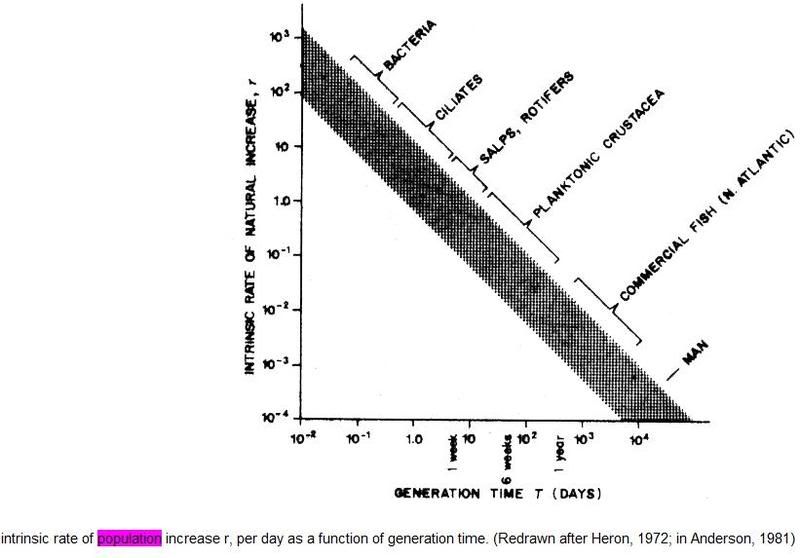
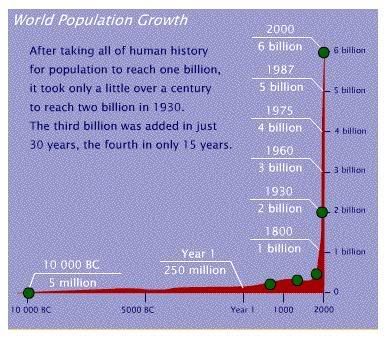
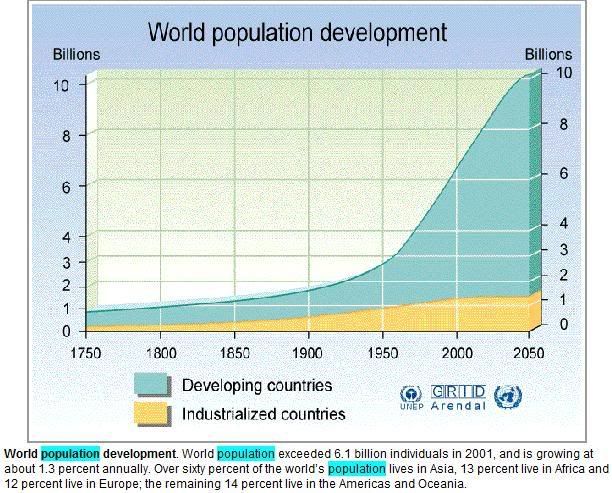
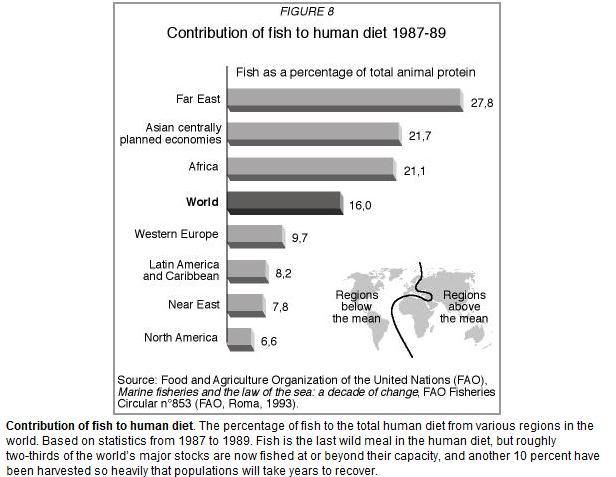
Good resources to read on whaling! Maps, Graphs and Stats

All copywrites remain with original owners of graphs and maps! I hope you find this a convienient place to find stats. Remember to not treat any of these sources with 100% confidence without further research, but they have all come from reputable sources!
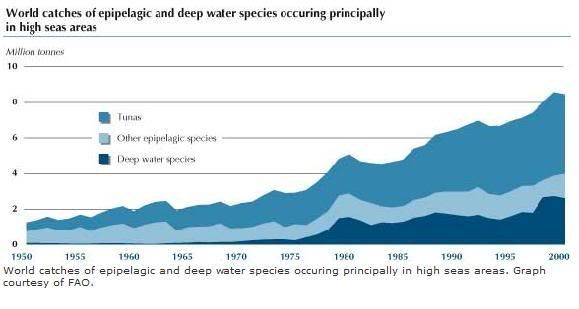
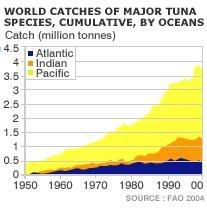


ANTARCTICA
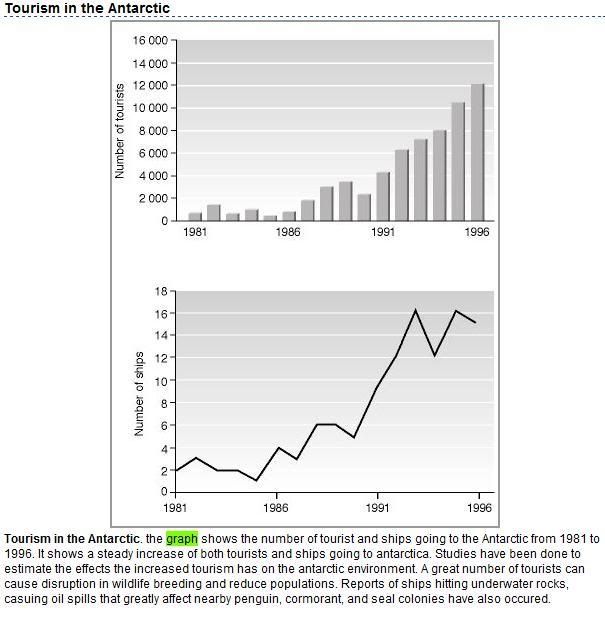
antarctic tourism
ccamlr area
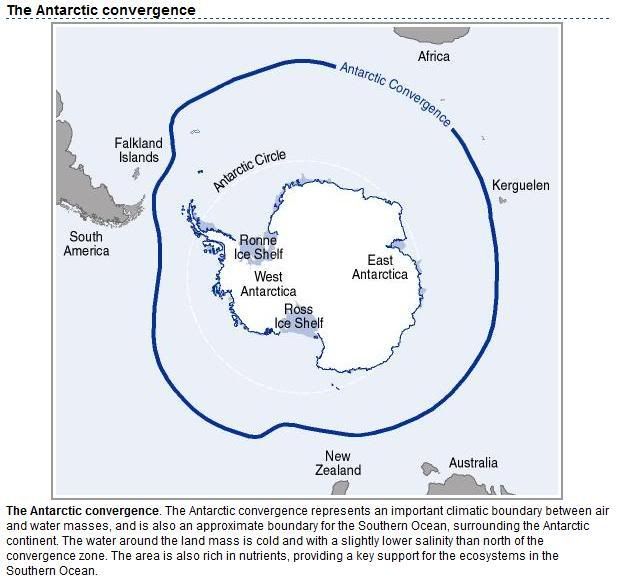
Convergence
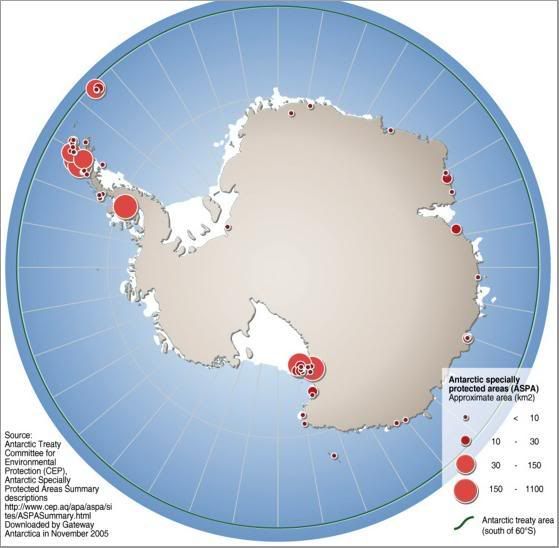
Antarctica Special Areas
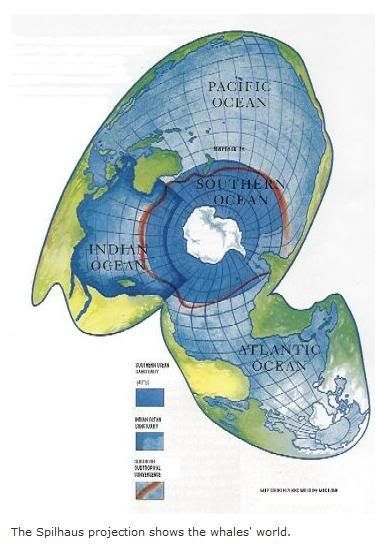
IWC Whale sanctuary
Australian Whale Sanctuary
Krill fishing grounds
The world map of the whale nations

WHALES
Whale Harvest
Whale poo, top water fertilisation
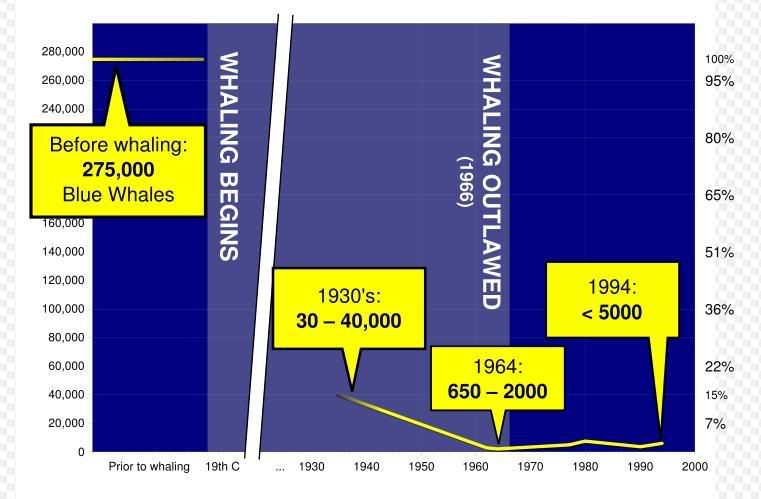
Blue whale population
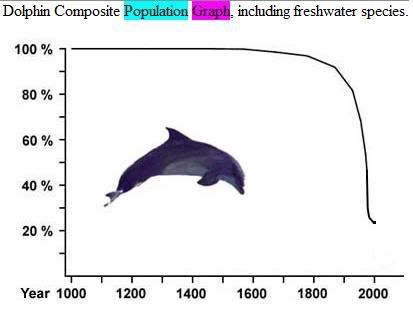
Dolphin populations
Dolphin population
IWC Great Whale kill quotas
Dolphin kill quota 2008
Dolphin kill quota 2009
Small type whaling quota
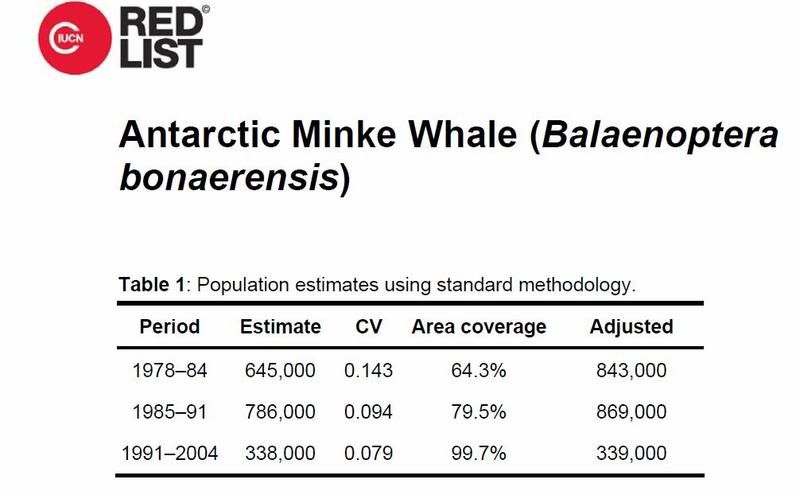
Minke is endangered?
Minke in decline (jpg version)
Link/quote rich forum post on whaling debate


WHALE SCIENCE
Whales eat all the fish?
Whales should be culled? (source II)
Does Japan need to use lethal research?
Is Japanese whaling illegal?
Whaling timeline

KRILL
Krill aquaculture food
ccamlr quota
Krill eaters
Krill catches
Krill crash
Krill picture

FISH
catch by species
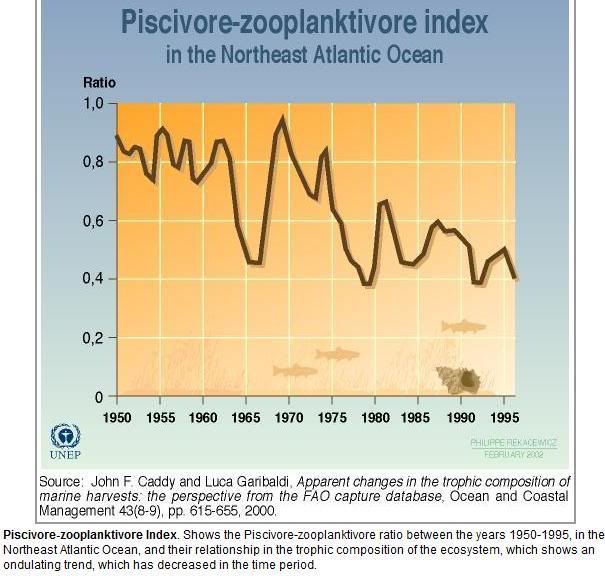
fish:zoo ratio
deep water fish

TUNA
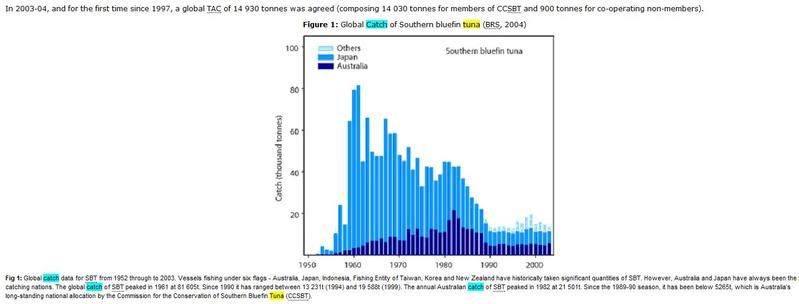
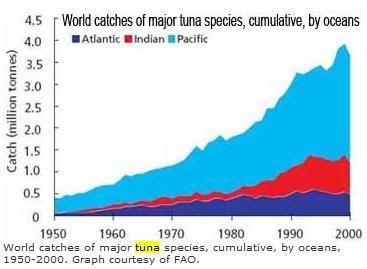
world tuna catch
SBF Tuna killers
Tuna species catch

FISHERIES
A sample of species change
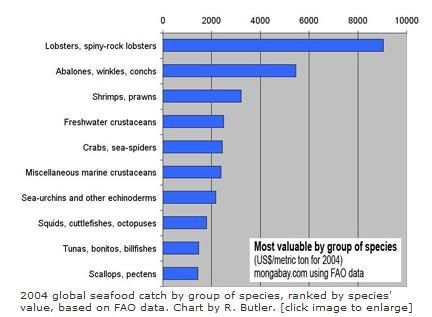
Species groups
total species group value
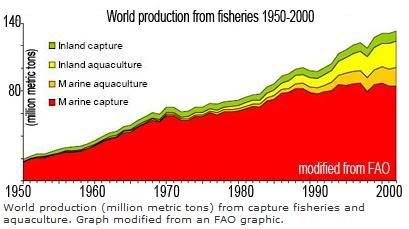
World fisheries
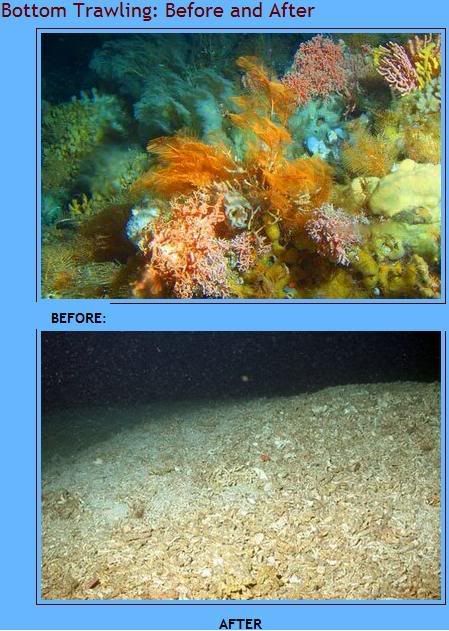
bottom trawlers
world fish catch
status

PEOPLE
Reproduction rate
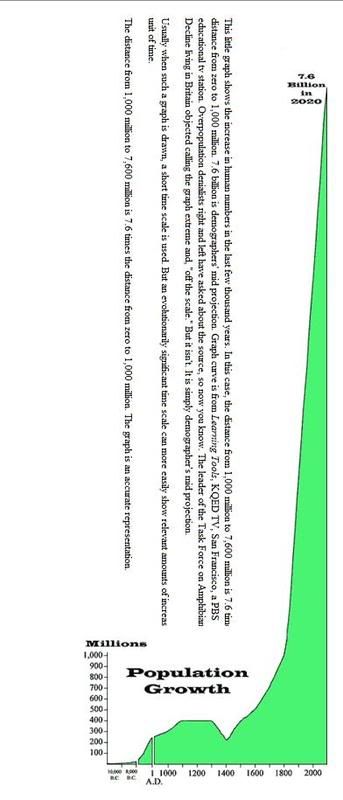
human population
Developed population
Human population
world fish diet
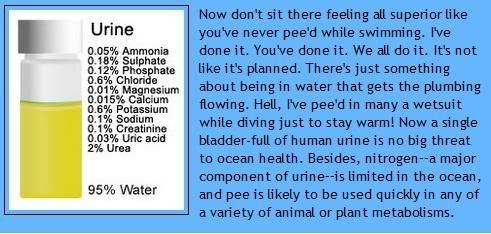
Pee Sample
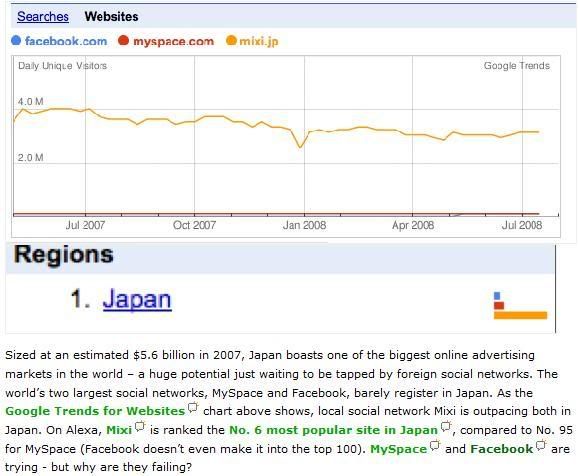
Japanese online
Networking in Japan
Human population
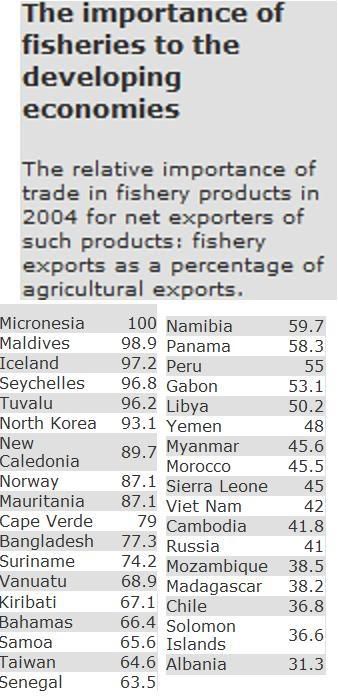
Fish importance to nation
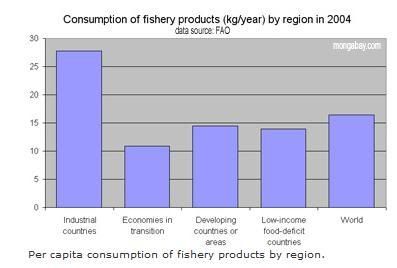
Fish consumption


DISASTER
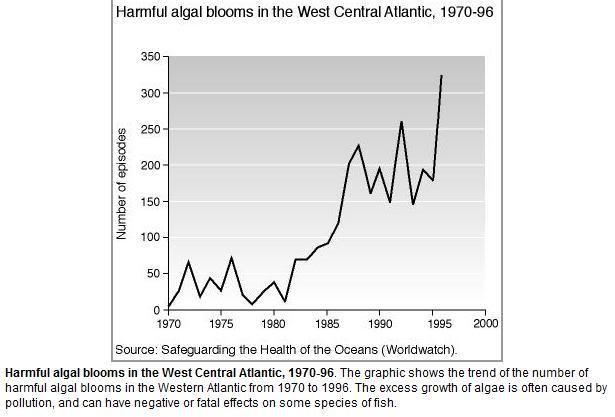
Harmful Algae blooms
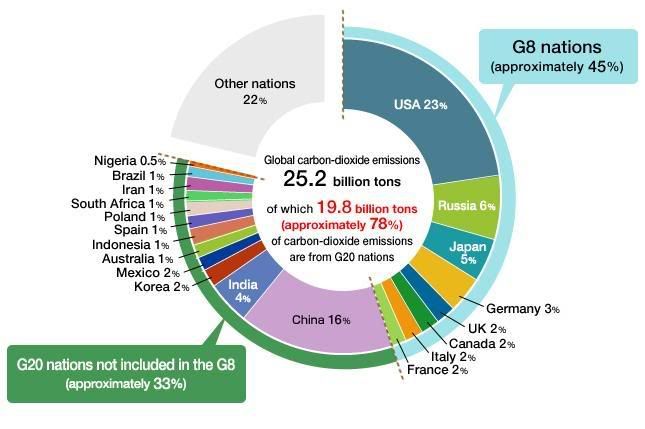
CO2 production by nation
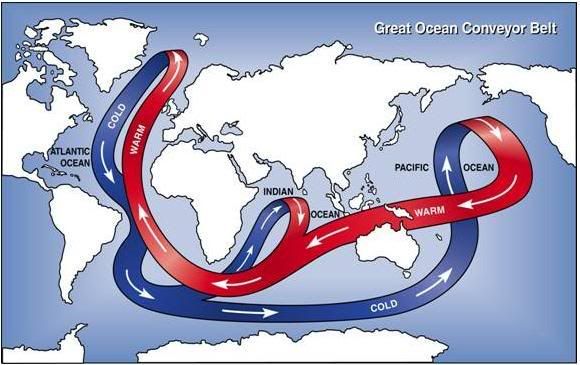
currents
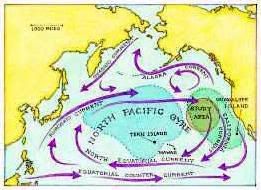
plastic gyre
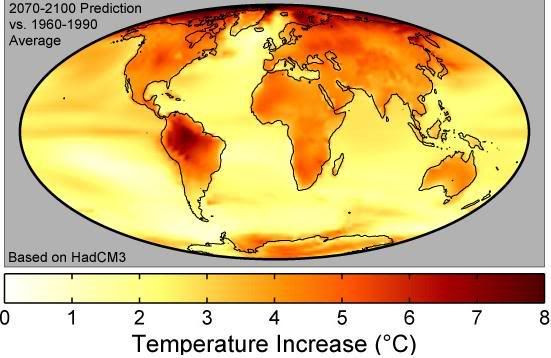
global warming


OK next 3 sources. All are respected and well written. All require spare time and a bit of effort to read. But they will open your eyes to what is going on here. The 4th is the "World Charter for Nature" which is perhaps the most important one of all.


1. Swimming Against the Tide: Japan and the Transnational Anti-Whaling Network -- Sund, Allona.

Review Method: Peer Reviewed
Abstract: Why do some international campaigns to pressure errant states to comply with international norms fail? Ultimately, the success of these campaigns depends upon the vulnerability of the target state to external pressure. Drawing from the literature on compliance, norms and social movements, I isolate three domestic factors that help to explain why some transnational campaigns succeed while others fail: the role of domestic interest groups, the domestic resonance of the international norm, and the political opportunity structure in the target state. This paper seeks to explain the limited effects of the transnational anti-whaling network in its efforts to pressure Japan to abide by the international norm against whaling. In spite of tremendous international pressure and the threat of U.S. sanctions, Japan has remained defiant in its commitment to overturn a global moratorium on commercial whaling introduced by the International Whaling Commission (IWC) in 1986. Japan has also engaged in a highly controversial program of whaling for scientific research in spite of the ongoing moratorium. I argue that domestic whaling interests do not provide an adequate explanation for Japan’s resistance to external pressure. Instead, the lack of resonance of the international anti-whaling norm and the limited domestic channels for the amplification of international pressure were the critical factors obstructing the influence of the anti-whaling network. Indeed, Japan’s defiant response to the anti-whaling campaign has been motivated more by the manner in which this campaign has been waged rather than the tangible benefits of whaling.


link

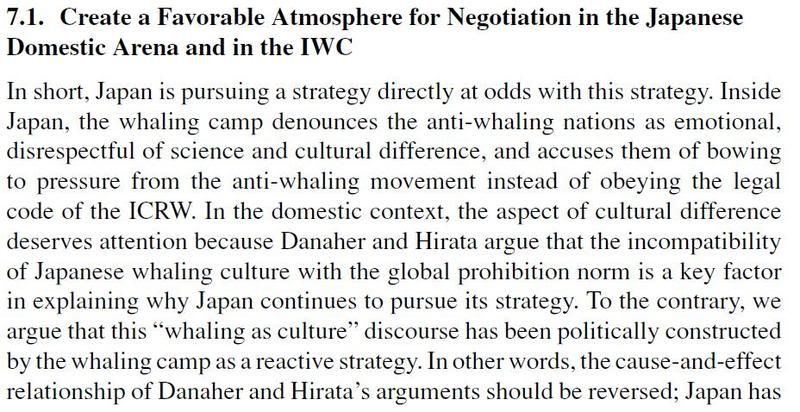
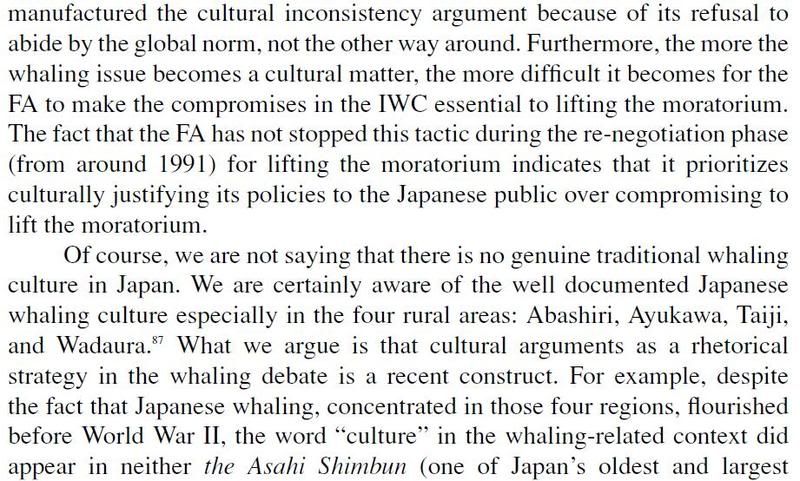
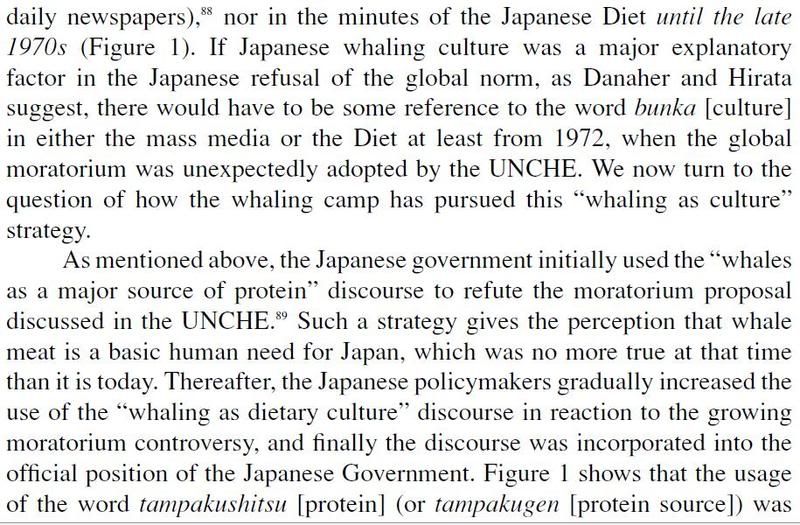
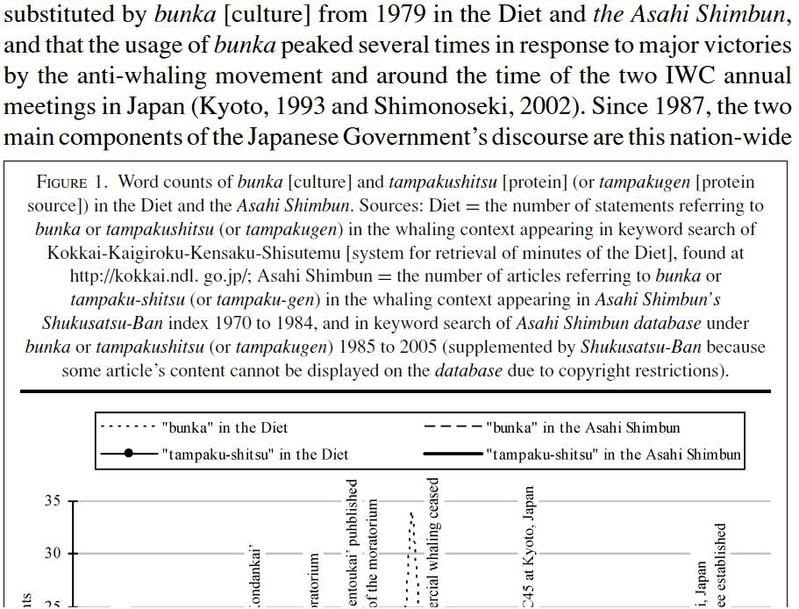
2) Contesting Global Norms: Politics of Identity in Japanese Pro-Whaling Countermobilization --- Anders Blok

Why are anti- and pro-whaling coalitions still engaged in morally heated confrontations over whales tracing back to the 1970s? Revisiting the global whaling controversy, this article applies insights from the political sociology of social movements to highlight the importance of the politics of identity embedded in an elite-driven pro-whaling countermovement in Japan. As is well documented, Japan has proven a most difficult context for the emerging “global” anti-whaling norm. Rather than simply reflecting material interests or cultural values, however, this sustained resistance should be approached from a processual and symbolic interactionist perspective as the construction of a pro-whaling moral universe integrated around strong and inflexible claims of collective identity. Empirically, the article analyzes the major discursive master frames constituting this pro-whaling identity. Arguing for the centrality of symbolic-moral framing, it further suggests three competing normative frameworks for making sense of the controversy in the wider context of global environmental norms-in-the-making.


link 1 link 2

3) Why are the Japanese doing all this??? http://www2s.biglobe.ne.jp/~stars/pdf/Ishii_Okubo_JIWLP.pdf

4) "The History of Modern Whaling" -- J.N. Tonnessen, Arne Odd Johnsen

google books preview


4) "World Charter for Nature by the United Nations in 1982"
This is the document sea shepherd operates under. Individuals and organizations can justify their enforcement authority from this document, approved by the United Nations in 1982. The specific relevant portions are in Part III, Section 21 and Section 24.

The General Assembly,

Reaffirming the fundamental purposes of the United Nations, in particular the maintenance of international peace and security, the development of friendly relations among nations and the achievement of international cooperation in solving international problems of an economic, social, cultural, technical, intellectual or humanitarian character,

Aware that:

  • (a) Mankind is a part of nature and life depends on the uninterrupted functioning of natural systems which ensure the supply of energy and nutrients,
  • (b) Civilization is rooted in nature, which has shaped human culture and influenced all artistic and scientific achievements, and living in harmony with nature gives man the best opportunities for the development of his creativity, and for rest and recreation,


Convinced that:

  • (a) Every form of life is unique, warranting respect regardless of its worth to man, and, to accord other organisms such recognition, man must be guided by a moral code of action,
  • (b) Man can alter nature and exhaust natural resources by his action or its consequences and, therefore, must fully recognize the urgency of maintaining the stability and quality of nature and of conserving natural resources,

Persuaded that:

  • (a) Lasting benefits from nature depend upon the maintenance of essential ecological processes and life support systems, and upon the diversity of life forms, which are jeopardized through excessive exploitation and habitat destruction by man,
  • (b) The degradation of natural systems owing to excessive consumption and misuse of natural resources, as well as to failure to establish an appropriate economic order among peoples and among States, leads to the breakdown of the economic, social and political framework of civilization,
  • (c) Competition for scarce resources creates conflicts, whereas the conservation of nature and natural resources contributes to justice and the maintenance of peace and cannot be achieved until mankind learns to live in peace and to forsake war and armaments,

Reaffirming that man must acquire the knowledge to maintain and enhance his ability to use natural resources in a manner which ensures the preservation of the species and ecosystems for the benefit of present and future generations,

Firmly convinced of the need for appropriate measures, at the national and international, individual and collective, and private and public levels, to protect nature and promote international co-operation in this field,

Adopts, to these ends, the present World Charter for Nature, which proclaims the following principles of conservation by which all human conduct affecting nature is to be guided and judged.

I. GENERAL PRINCIPLES

1. Nature shall be respected and its essential processes shall not be impaired.

2. The genetic viability on the earth shall not be compromised; the population levels of all life forms, wild and domesticated, must be at least sufficient for their survival, and to this end necessary habitat shall be safeguarded.

3. All areas of the earth, both land and sea, shall be subject to these principles of conservation; special protection shall be given to unique areas, to representative samples of all the different types of ecosystems and to the habitat of rare or endangered species.

4. Ecosystems and organisms, as well as the land, marine and atmospheric resources that are utilized by man, shall be managed to achieve and maintain optimum sustainable productivity, but not in such a way as to endanger the integrity of those other ecosystems or species with which they coexist.

5. Nature shall be secured against degradation caused by warfare or other hostile activities.

II. FUNCTIONS

6. In the decision-making process it shall be recognized that man's needs can be met only by ensuring the proper functioning of natural systems and by respecting the principles set forth in the present Charter.

7. In the planning and implementation of social and economic development activities, due account shall be taken of the fact that the conservation of nature is an integral part of those activities.

8. In formulating long-term plans for economic development, population growth and the improvement of standards of living, due account shall be taken of the long-term capacity of natural systems to ensure the subsistence and settlement of the populations concerned, recognizing that this capacity may be enhanced through science and technology.

9. The allocation of areas of the earth to various uses shall be planned and due account shall be taken of the physical constraints, the biological productivity and diversity and the natural beauty of the areas concerned.

10. Natural resources shall not be wasted, but used with a restraint appropriate to the principles set forth in the present Charter, in accordance with the following rules:

  • (a) Living resources shall not be utilized in excess of their natural capacity for regeneration;
  • (b) The productivity of soils shall be maintained or enhanced through measures which safeguard their long-term fertility and the process of organic decomposition, and prevent erosion and all other forms of degradation;
  • (c) Resources, including water, which are not consumed as they are used shall be reused or recycled;
  • (d) Non-renewable resources which are consumed as they are used shall be exploited with restraint, taking into account their abundance, their rational possibilities of converting them for consumption, and the compatibility of their exploitation with the functioning of natural systems.

11. Activities which might have an impact on nature shall be controlled, and the best available technologies that minimize significant risks to nature or other adverse effects shall be used; in particular:

  • (a) Activities which are likely to cause irreversible damage to nature shall be avoided;
  • (b) Activities which are likely to pose a significant risk to nature shall be preceded by an exhaustive examination; their proponents shall demonstrate that expected benefits outweigh potential damage to nature, and where potential adverse effects are not fully understood, the activities should not proceed;
  • (c) Activities which may disturb nature shall be preceded by assessment of their consequences, and environmental impact studies of development projects shall be conducted sufficiently in advance, and if they are to be undertaken, such activities shall be planned and carried out so as to minimize potential adverse effects;
  • (d) Agriculture, grazing, forestry and fisheries practices shall be adapted to the natural characteristics and constraints of given areas;
  • (e) Areas degraded by human activities shall be rehabilitated for purposes in accord with their natural potential and compatible with the well-being of affected populations.

12. Discharge of pollutants into natural systems shall be avoided and:

  • (a) Where this is not feasible, such pollutants shall be treated at the source, using the best practicable means available;
  • (b) Special precautions shall be taken to prevent discharge of radioactive or toxic wastes.

13. Measures intended to prevent, control or limit natural disasters, infestations and diseases shall be specifically directed to the causes of these scourges and shall avoid averse side-effects on nature.

III. IMPLEMENTATION

14. The principles set forth in the present Charter shall be reflected in the law and practice of each State, as well as at the international level.

15. Knowledge of nature shall be broadly disseminated by all possible means, particularly by ecological education as an integral part of general education.

16. All planning shall include, among its essential elements, the formulation of strategies for the conservation of nature, the establishment of inventories of ecosystems and assessments of the effects on nature of proposed policies and activities; all of these elements shall be disclosed to the public by appropriate means in time to permit effective consultation and participation.

17. Funds, programmes and administrative structures necessary to achieve the objective of the conservation of nature shall be provided.

18. Constant efforts shall be made to increase knowledge of nature by scientific research and to disseminate such knowledge unimpeded by restrictions of any kind.

19. The status of natural processes, ecosystems and species shall be closely monitored to enable early detection of degradation or threat, ensure timely intervention and facilitate the evaluation of conservation policies and methods.

20. Military activities damaging to nature shall be avoided.

21. States and, to the extent they are able, other public authorities, international organizations, individuals, groups and corporations shall:

  • (a) Co-operate in the task of conserving nature through common activities and other relevant actions, including information exchange and consultations;
  • (b) Establish standards for products and other manufacturing processes that may have adverse effects on nature, as well as agreed methodologies for assessing these effects;
  • (c) Implement the applicable international legal provisions for the conservation of nature and the protection of the environment;
  • (d) Ensure that activities within their jurisdictions or control do not cause damage to the natural systems located within other States or in the areas beyond the limits of national jurisdiction;
  • (e) Safeguard and conserve nature in areas beyond national jurisdiction.

22. Taking fully into account the sovereignty of States over their natural resources, each State shall give effect to the provisions of the present Charter through its competent organs and in co-operation with other States.

23. All persons, in accordance with their national legislation, shall have the opportunity to participate, individually or with others, in the formulation of decisions of direct concern to their environment, and shall have access to means of redress when their environment has suffered damage or degradation.

24. Each person has a duty to act in accordance with the provisions of the present Charter; acting individually, in association with others or through participation in the political process, each person shall strive to ensure that the objectives and requirements of the present Charter are met.


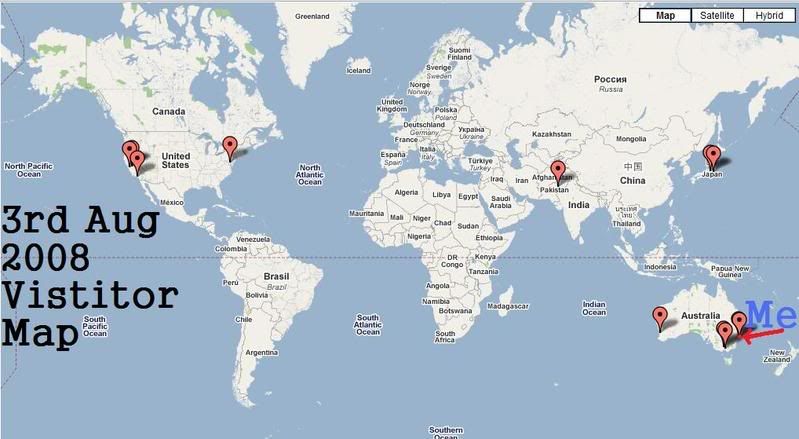
Old map from WWII showing new world order! atlas of insanity Secret Submarine Base! People map Carrier top view Me and first other posters from stat counter, hello all, 6th Aug 08 visitor map awesomness map human influence Blue Beauty world flash tour Earth at night Iraq bodycount on US map And of course good old breathing earth Sun light maps 1 and 2 The worlds water graph Ocean Slaughter Australian Territorial Waters A Global Map of Human Impacts to Marine Ecosystems Map of CO2 emission hotspots in the USA oceans atlas Lots of History Maps Monopoly March of democracy Sea Level map Nice map showing the rise and fall of empires trying to hold the middle east. singles map virtual map library old Try new street level view GOOGLE MAPS Climate time machine military maps factory farm map (only for USA)